 Image 1 of 2
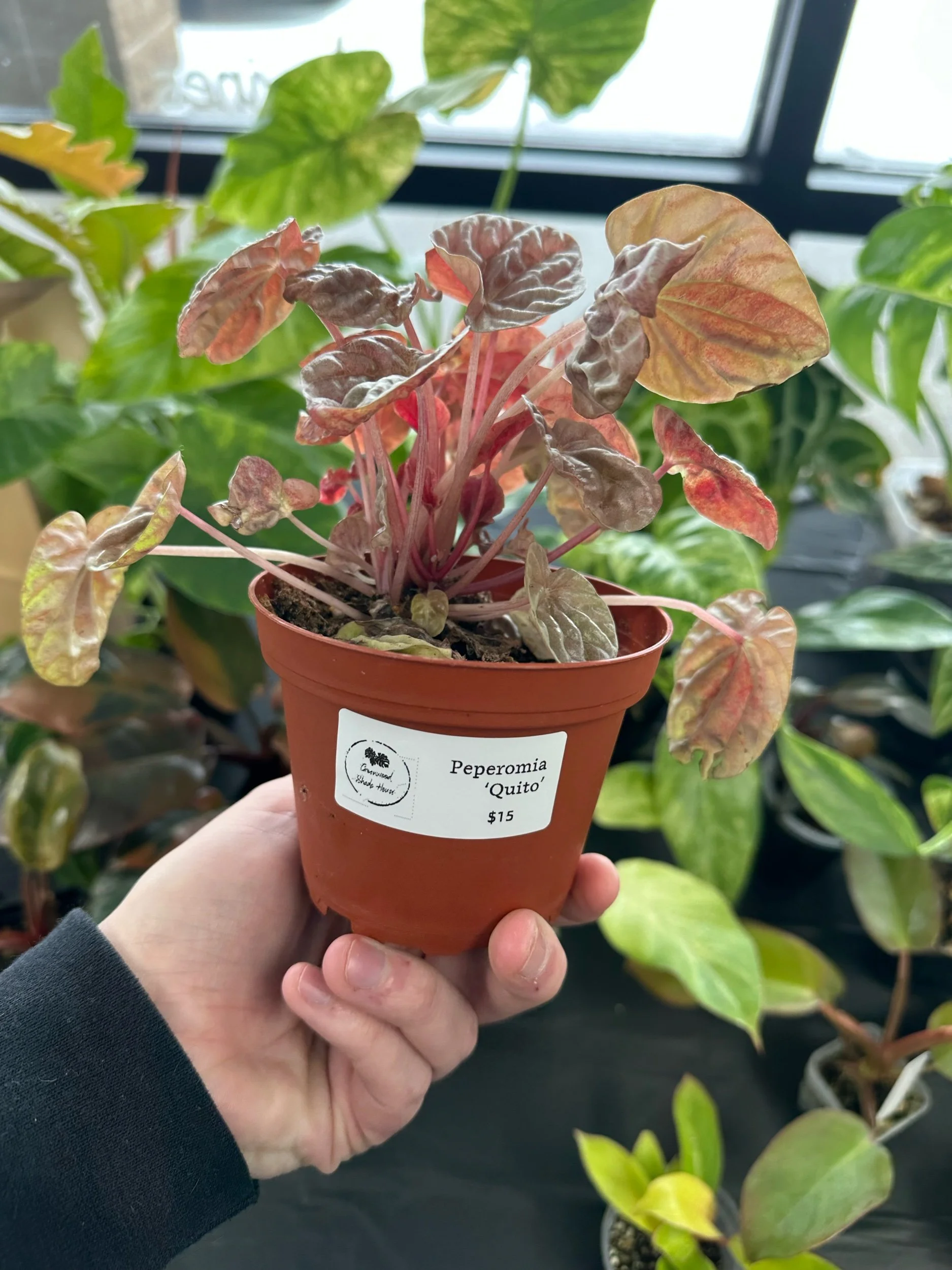 Image 2 of 2
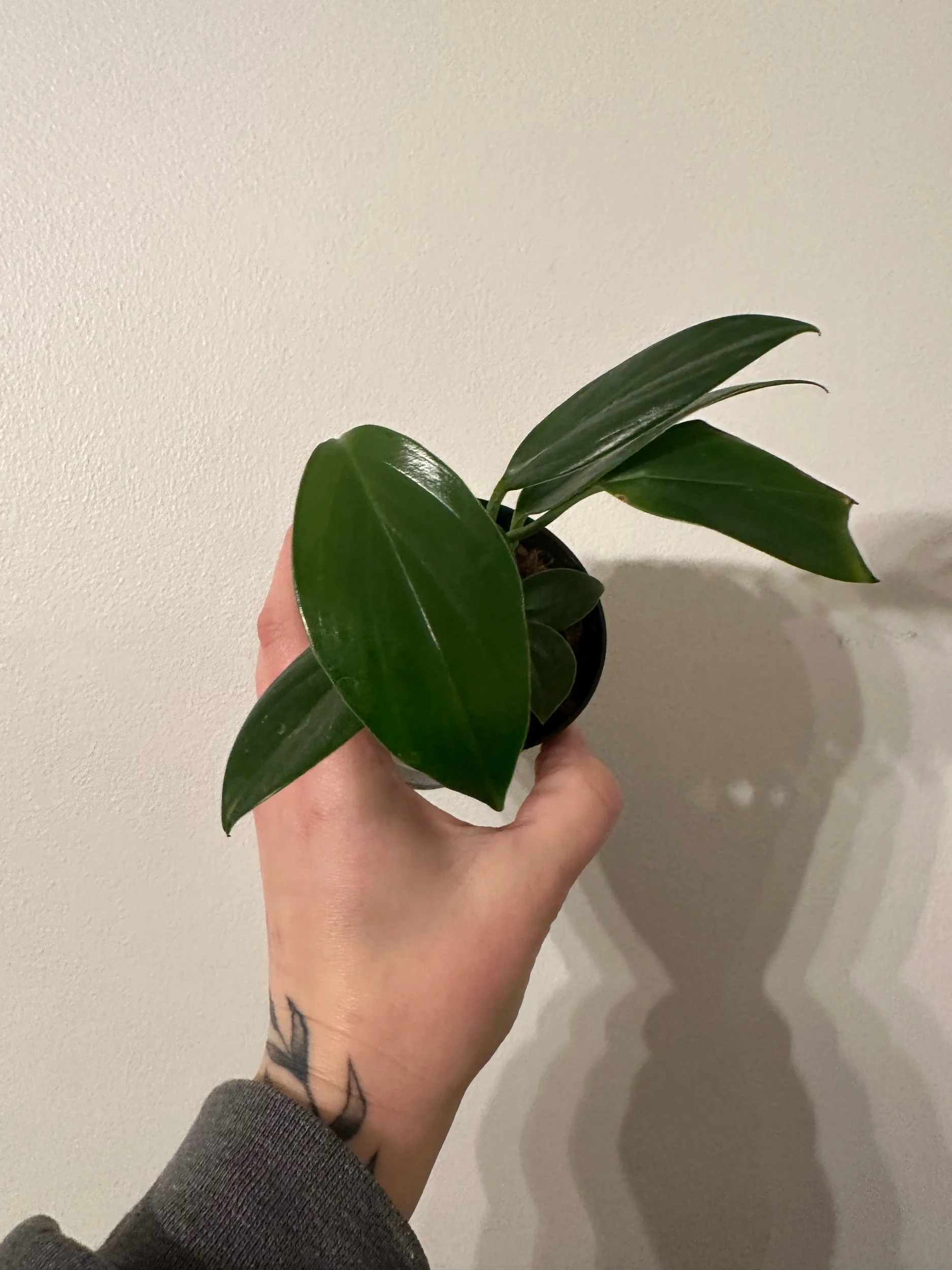
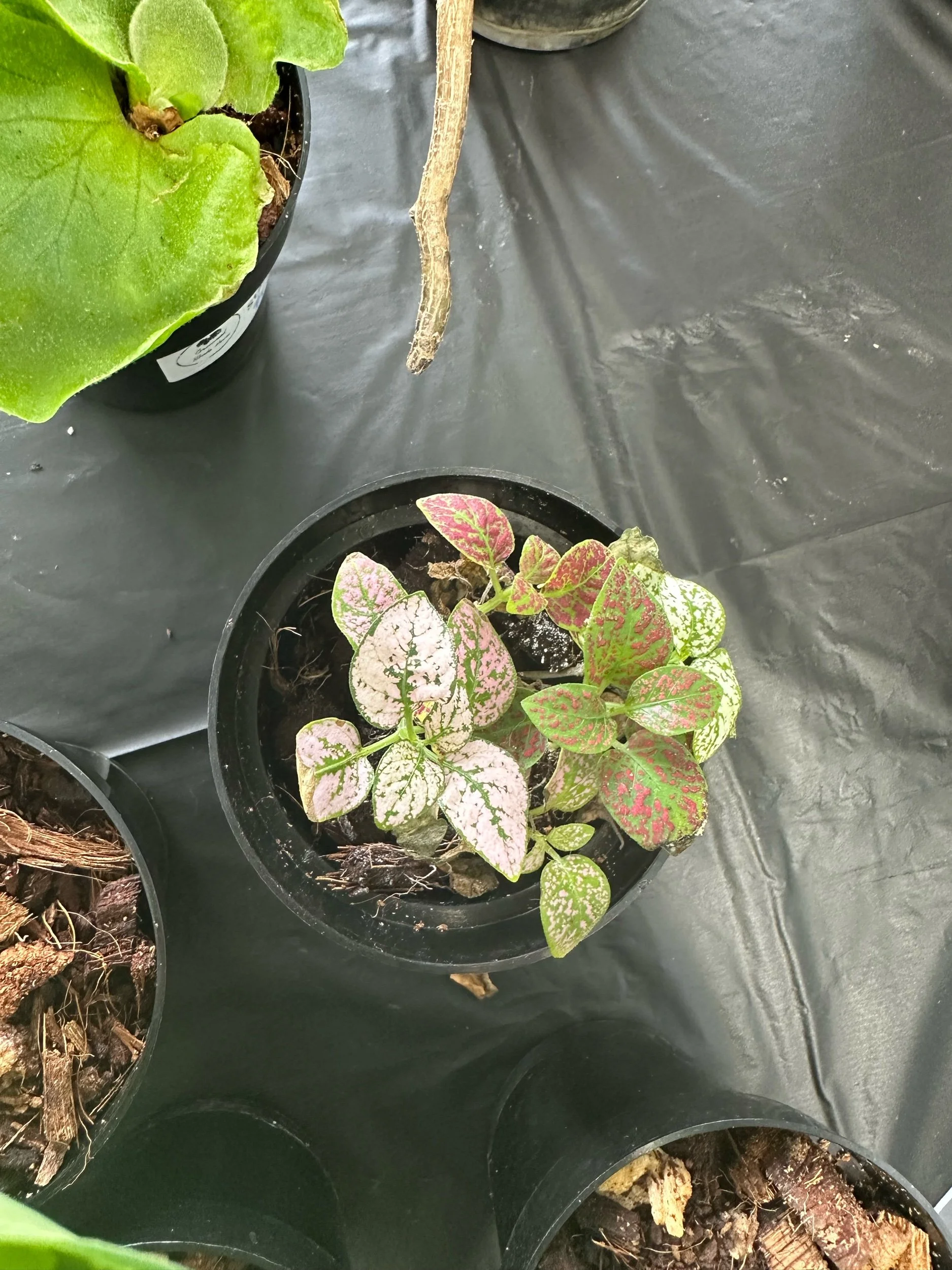
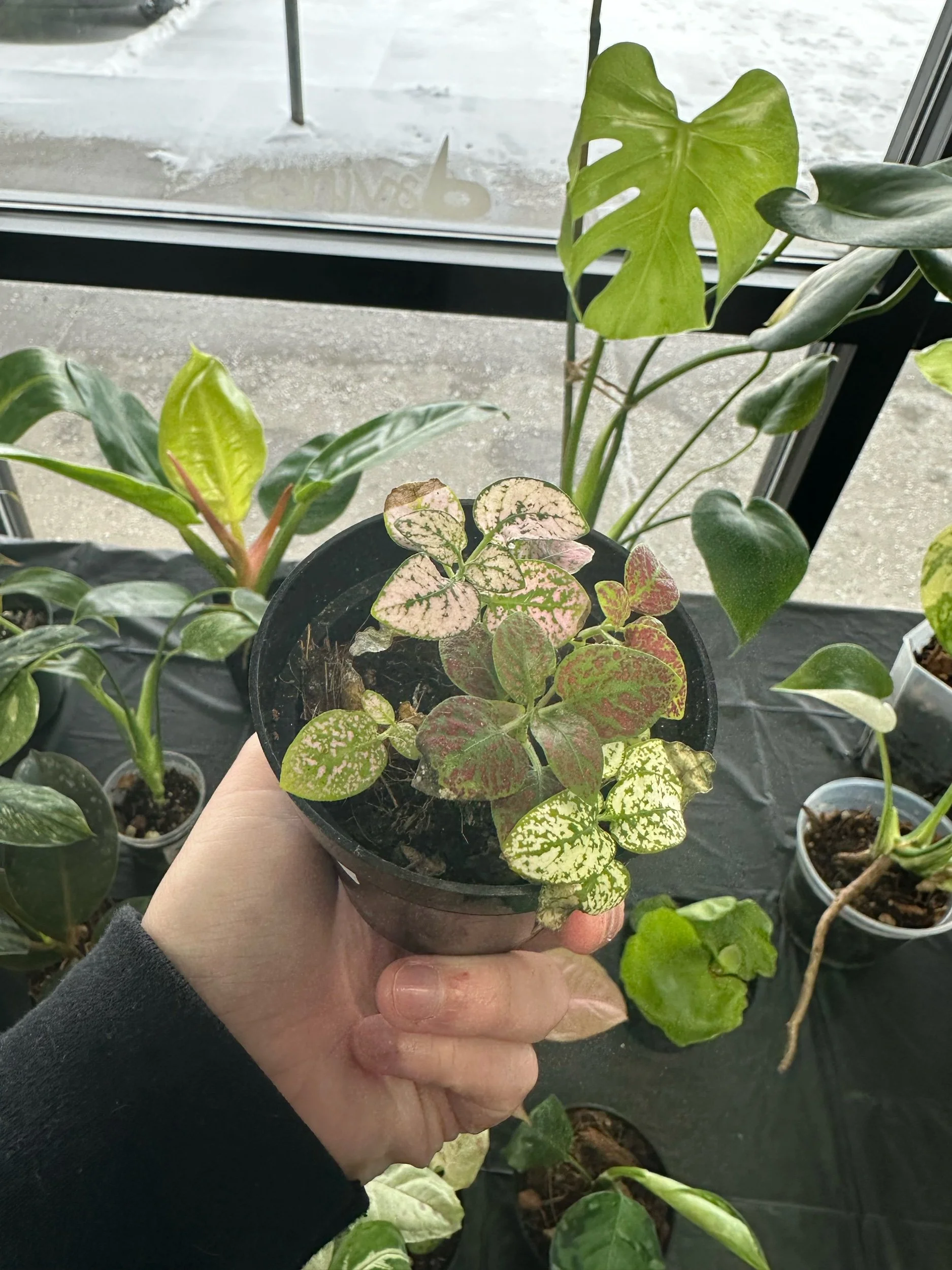
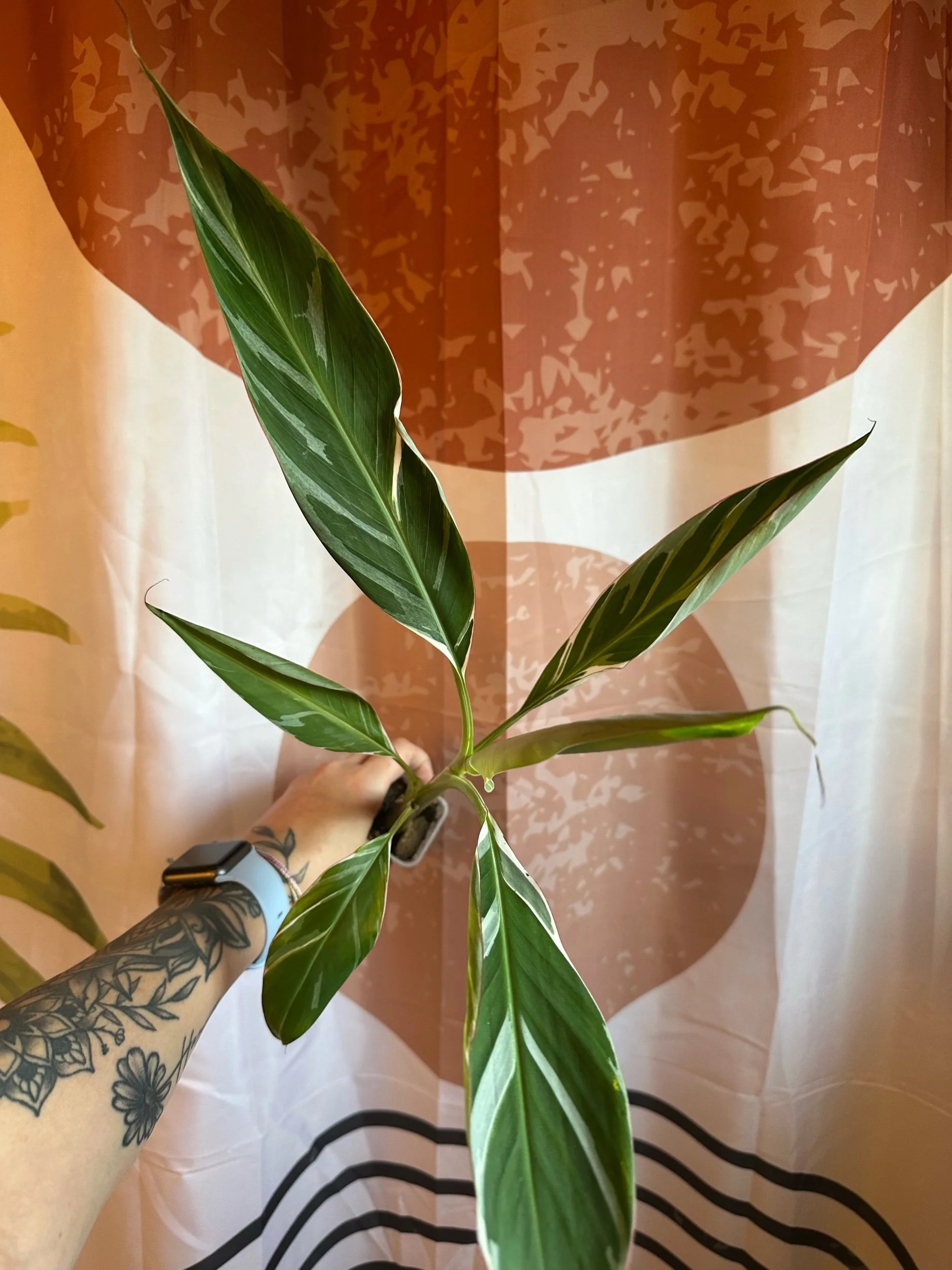
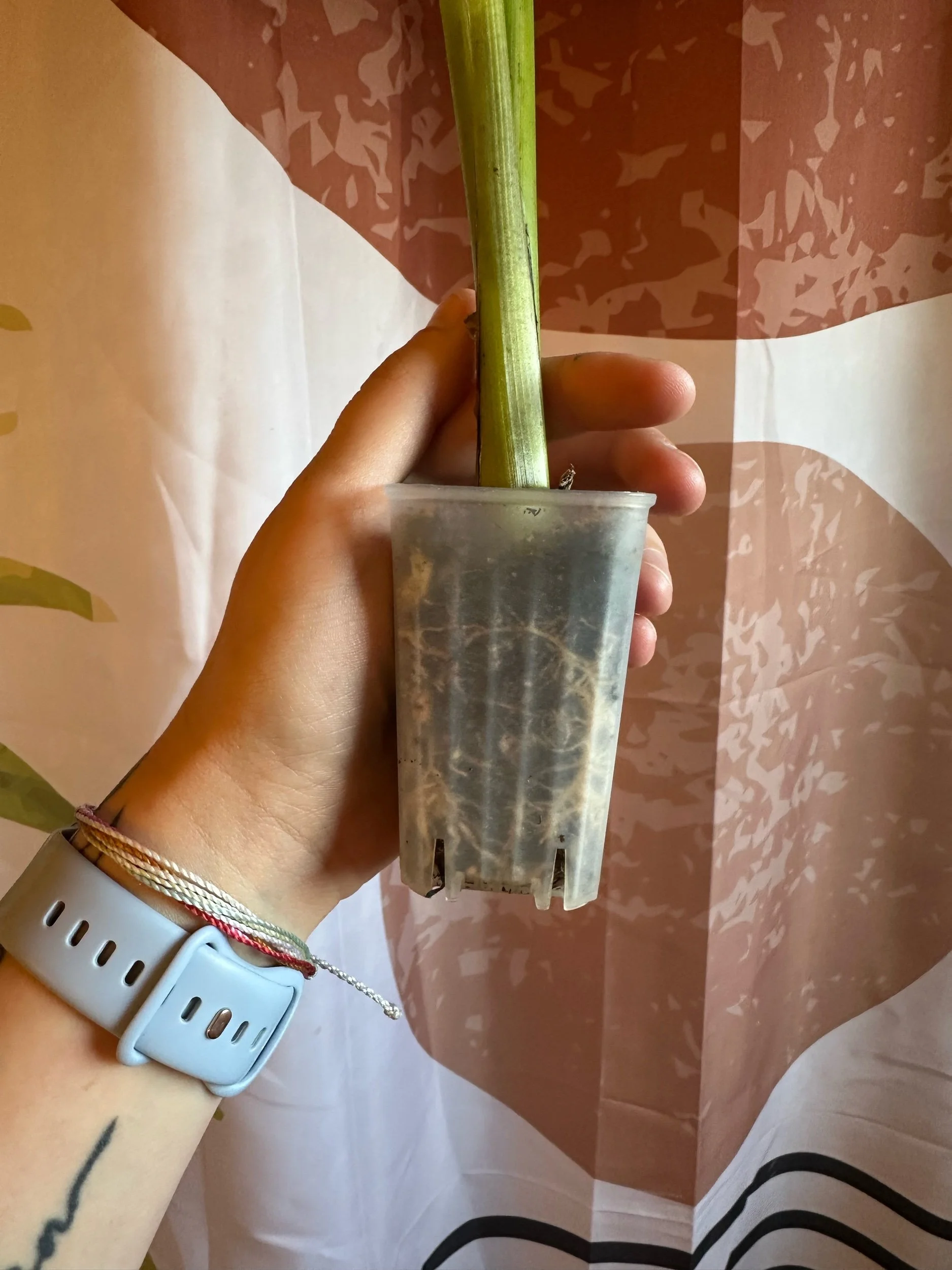
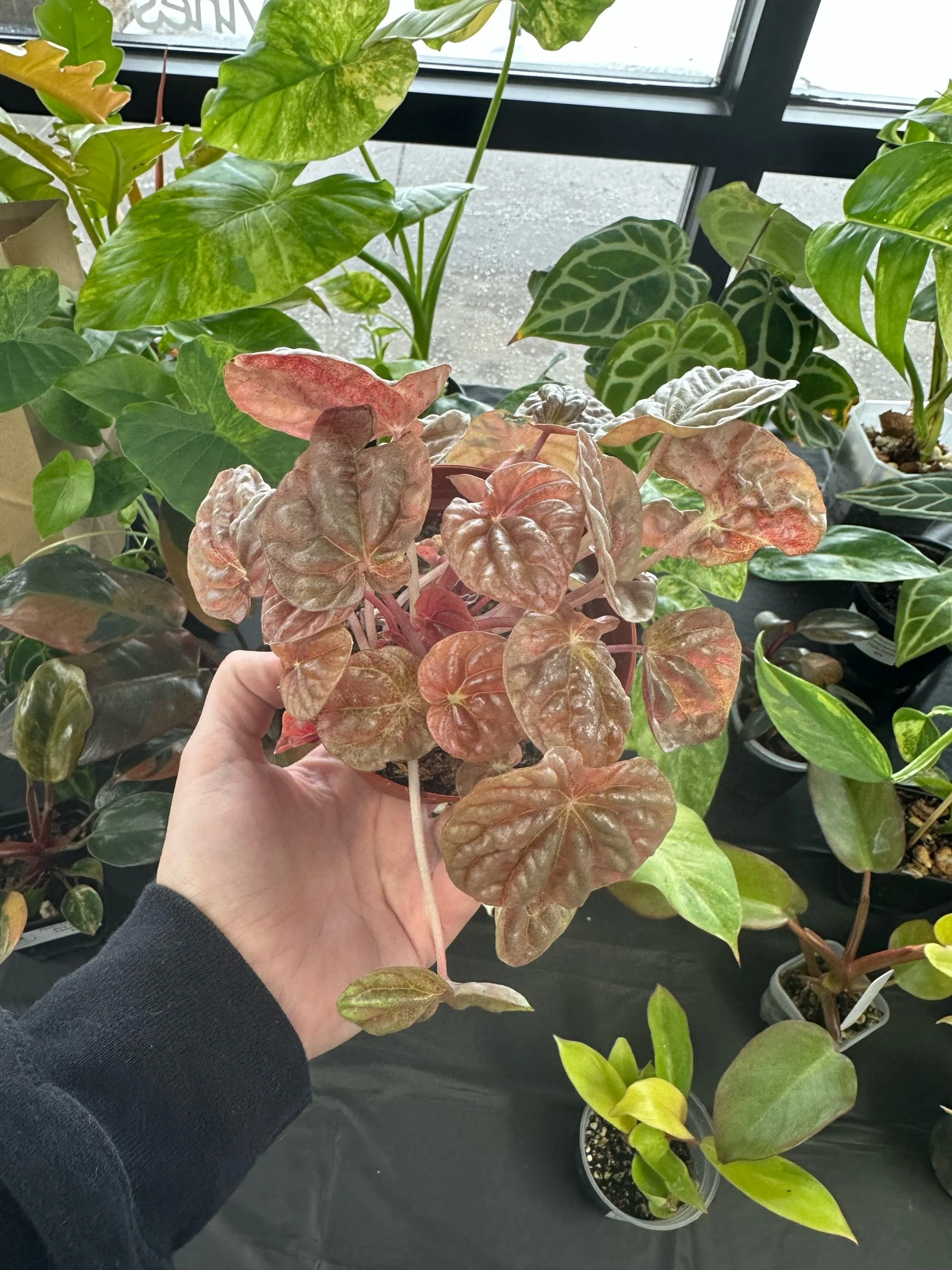
Peperomia ‘Quito’
Overview Peperomia ‘Quito’ is a compact, attractive houseplant valued for its glossy, rounded leaves with subtle variegation and a neat, clumping habit. It’s an excellent choice for small spaces, tabletops, terrariums, and mixed planters. As a member of the Peperomia genus, it’s appreciated for easy care, moderate growth rate, and low water needs.
Appearance
Leaves: Thick, succulent-like, rounded to slightly heart-shaped; glossy surface with possible variegation or lighter margins depending on cultivar variations.
Size: Generally grows 6–12 inches tall and wide, making it a petite, manageable plant.
Stems: Short, upright or slightly trailing stems that form tight clumps.
Flowers: Insignificant thin spike inflorescences (typical of peperomias), not grown for blooms.
Light
Best: Bright, indirect light. East- or north-facing windows are ideal.
Tolerates: Moderate light.
Avoid: Direct midday sun, which can scorch the leaves and fade variegation.
Water
Frequency: Allow the top 1–2 inches of soil to dry between waterings.
Method: Water thoroughly, then let excess drain away. Avoid letting the plant sit in water.
Signs of overwatering: Yellowing leaves, soft stems, root rot.
Signs of underwatering: Wrinkled or slightly puckered leaves.
Soil & Potting
Soil: Use a well-draining mix—peat-based indoor potting mix amended with perlite, pumice, or orchid bark works well.
Pot: Choose a container with drainage holes. Terra cotta helps wick excess moisture but any draining pot is fine.
Repotting: Slow grower; repot every 2–3 years or when rootbound. Spring repotting is best.
Temperature & Humidity
Temperature: Prefers 65–80°F (18–27°C). Keep above 50°F (10°C).
Humidity: Average home humidity is usually adequate. Benefits from higher humidity (50%+), but not necessary. Avoid placing in drafty or very dry locations.
Fertilizer
Frequency: Feed lightly during the growing season (spring and summer) — about once a month.
Type: Balanced, water-soluble houseplant fertilizer at half-strength. Avoid heavy feeding in fall and winter.
Propagation
Methods: Stem cuttings or leaf-cutting propagation in water or soil.
Steps: Take a 2–3 inch stem cutting with a few leaves. Root in water or a moist, well-draining medium; transplant once roots develop. Leaf cuttings may also root but can take longer.
Pests & Problems
Common pests: Mealybugs, spider mites, and scale. Inspect regularly and treat early with insecticidal soap, neem oil, or by wiping leaves.
Problems: Overwatering is the primary issue. Brown leaf tips can indicate low humidity, underwatering, or fluoride/salt buildup—flush soil occasionally and use filtered water if needed.
Placement & Styling Tips
Great for desks, shelves, and terrariums due to small size.
Pair with other low-water, low-light tolerant plants like snake plant, ZZ plant, or other peperomias for a cohesive look.
Use pebble trays or nearby grouping with other plants to gently raise humidity.
Why Choose Peperomia ‘Quito’?
Compact, low-maintenance, and visually appealing.
Safe for homes with pets (Peperomia are generally considered non-toxic to cats and dogs, though it’s best to prevent ingestion).
Ideal for beginners or anyone wanting a tidy, attractive houseplant with minimal fuss.
Plant Care Summary
Light: Bright, indirect
Water: When top 1–2" of soil dries
Soil: Well-draining mix
Temp: 65–80°F (18–27°C)
Humidity: Average to moderate
Feed: Monthly in growing season at half-strength
Greenwood Shade House recommends gently inspecting new plants on arrival, acclimating them to your home’s light, and adjusting care as you observe leaf response. Peperomia ‘Quito’ makes a low-effort, high-reward addition to indoor plant collections.
Peperomia ‘Quito’
Overview Peperomia ‘Quito’ is a compact, attractive houseplant valued for its glossy, rounded leaves with subtle variegation and a neat, clumping habit. It’s an excellent choice for small spaces, tabletops, terrariums, and mixed planters. As a member of the Peperomia genus, it’s appreciated for easy care, moderate growth rate, and low water needs.
Appearance
Leaves: Thick, succulent-like, rounded to slightly heart-shaped; glossy surface with possible variegation or lighter margins depending on cultivar variations.
Size: Generally grows 6–12 inches tall and wide, making it a petite, manageable plant.
Stems: Short, upright or slightly trailing stems that form tight clumps.
Flowers: Insignificant thin spike inflorescences (typical of peperomias), not grown for blooms.
Light
Best: Bright, indirect light. East- or north-facing windows are ideal.
Tolerates: Moderate light.
Avoid: Direct midday sun, which can scorch the leaves and fade variegation.
Water
Frequency: Allow the top 1–2 inches of soil to dry between waterings.
Method: Water thoroughly, then let excess drain away. Avoid letting the plant sit in water.
Signs of overwatering: Yellowing leaves, soft stems, root rot.
Signs of underwatering: Wrinkled or slightly puckered leaves.
Soil & Potting
Soil: Use a well-draining mix—peat-based indoor potting mix amended with perlite, pumice, or orchid bark works well.
Pot: Choose a container with drainage holes. Terra cotta helps wick excess moisture but any draining pot is fine.
Repotting: Slow grower; repot every 2–3 years or when rootbound. Spring repotting is best.
Temperature & Humidity
Temperature: Prefers 65–80°F (18–27°C). Keep above 50°F (10°C).
Humidity: Average home humidity is usually adequate. Benefits from higher humidity (50%+), but not necessary. Avoid placing in drafty or very dry locations.
Fertilizer
Frequency: Feed lightly during the growing season (spring and summer) — about once a month.
Type: Balanced, water-soluble houseplant fertilizer at half-strength. Avoid heavy feeding in fall and winter.
Propagation
Methods: Stem cuttings or leaf-cutting propagation in water or soil.
Steps: Take a 2–3 inch stem cutting with a few leaves. Root in water or a moist, well-draining medium; transplant once roots develop. Leaf cuttings may also root but can take longer.
Pests & Problems
Common pests: Mealybugs, spider mites, and scale. Inspect regularly and treat early with insecticidal soap, neem oil, or by wiping leaves.
Problems: Overwatering is the primary issue. Brown leaf tips can indicate low humidity, underwatering, or fluoride/salt buildup—flush soil occasionally and use filtered water if needed.
Placement & Styling Tips
Great for desks, shelves, and terrariums due to small size.
Pair with other low-water, low-light tolerant plants like snake plant, ZZ plant, or other peperomias for a cohesive look.
Use pebble trays or nearby grouping with other plants to gently raise humidity.
Why Choose Peperomia ‘Quito’?
Compact, low-maintenance, and visually appealing.
Safe for homes with pets (Peperomia are generally considered non-toxic to cats and dogs, though it’s best to prevent ingestion).
Ideal for beginners or anyone wanting a tidy, attractive houseplant with minimal fuss.
Plant Care Summary
Light: Bright, indirect
Water: When top 1–2" of soil dries
Soil: Well-draining mix
Temp: 65–80°F (18–27°C)
Humidity: Average to moderate
Feed: Monthly in growing season at half-strength
Greenwood Shade House recommends gently inspecting new plants on arrival, acclimating them to your home’s light, and adjusting care as you observe leaf response. Peperomia ‘Quito’ makes a low-effort, high-reward addition to indoor plant collections.