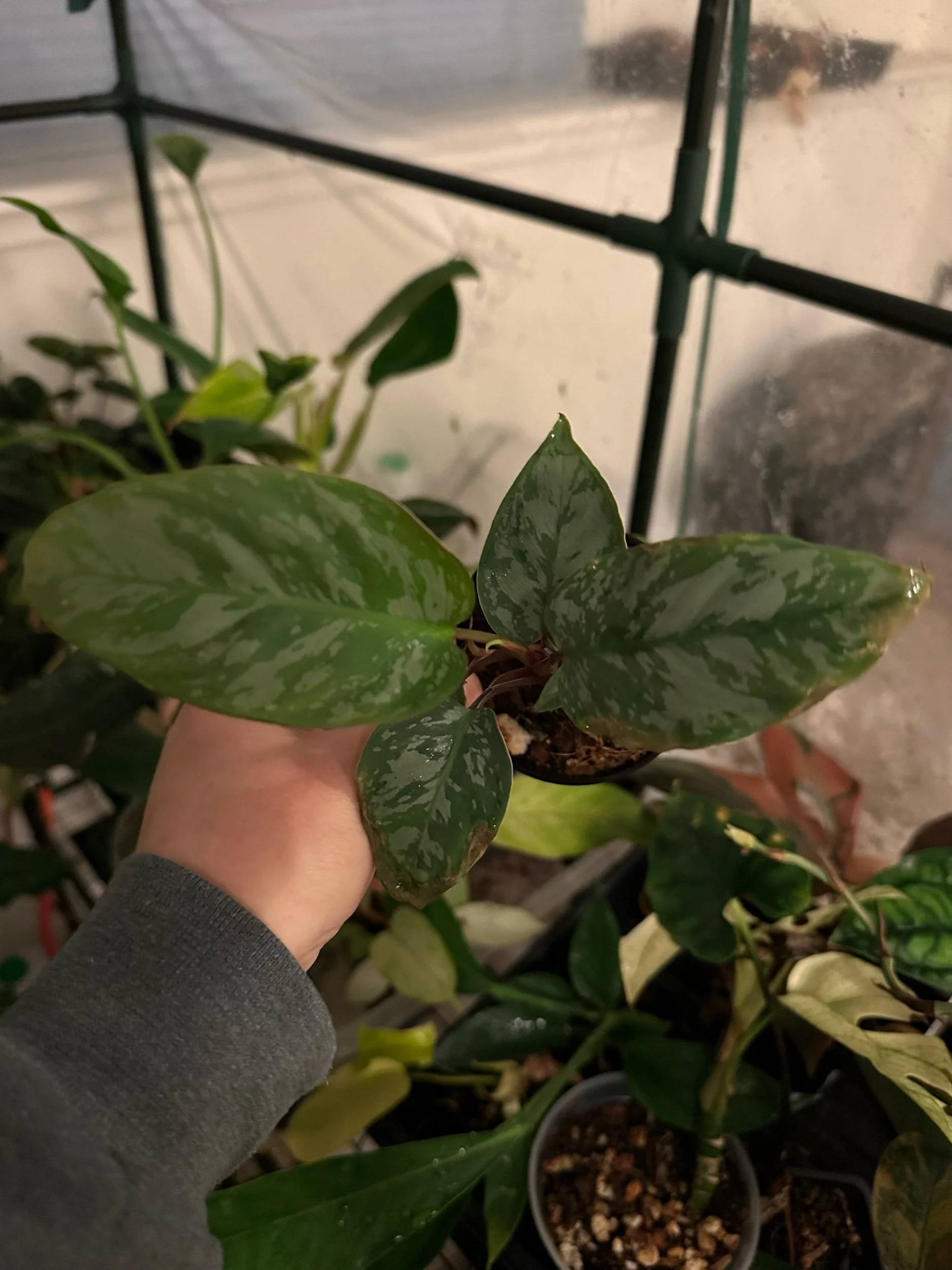
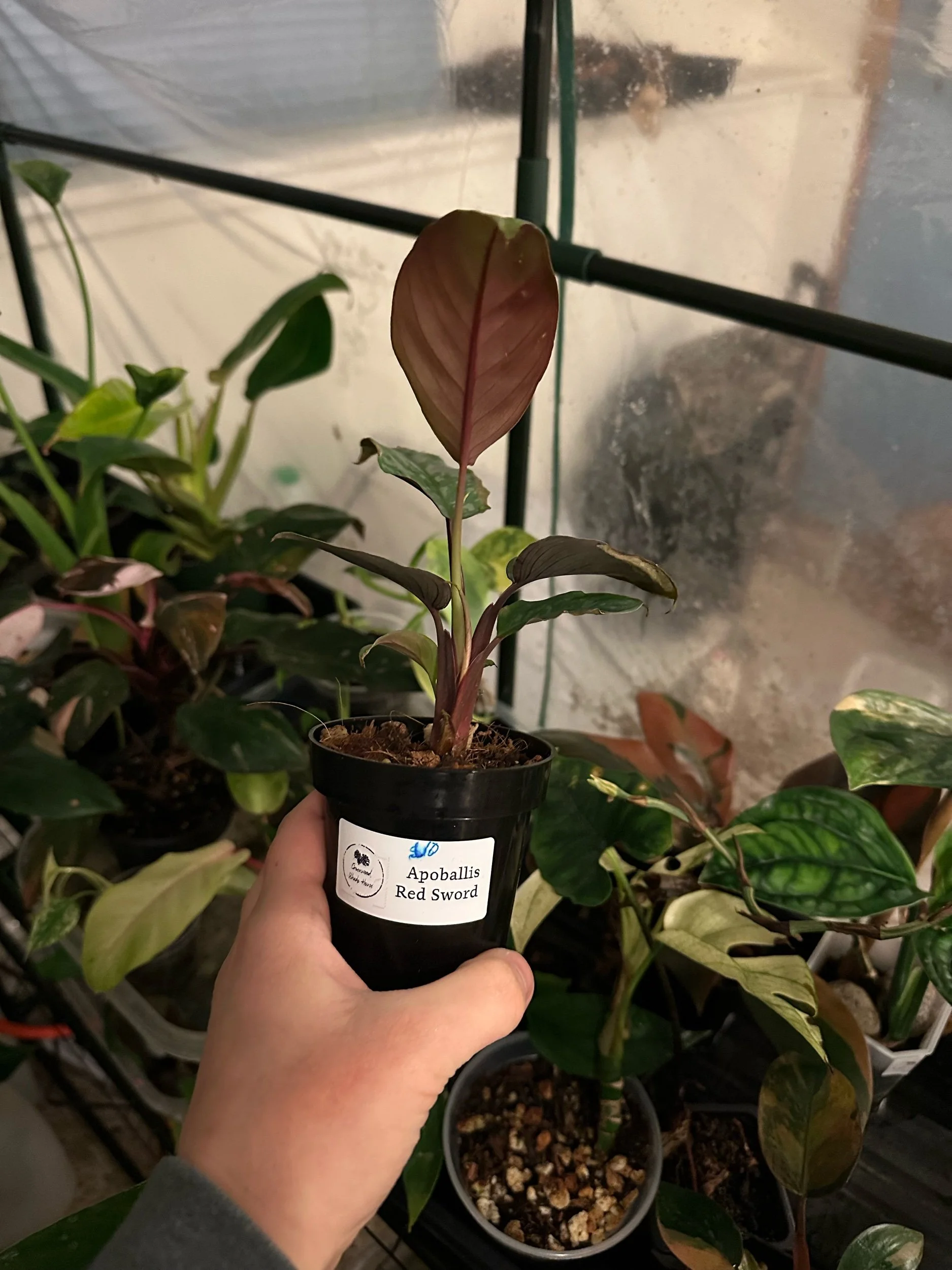
 Image 1 of 2
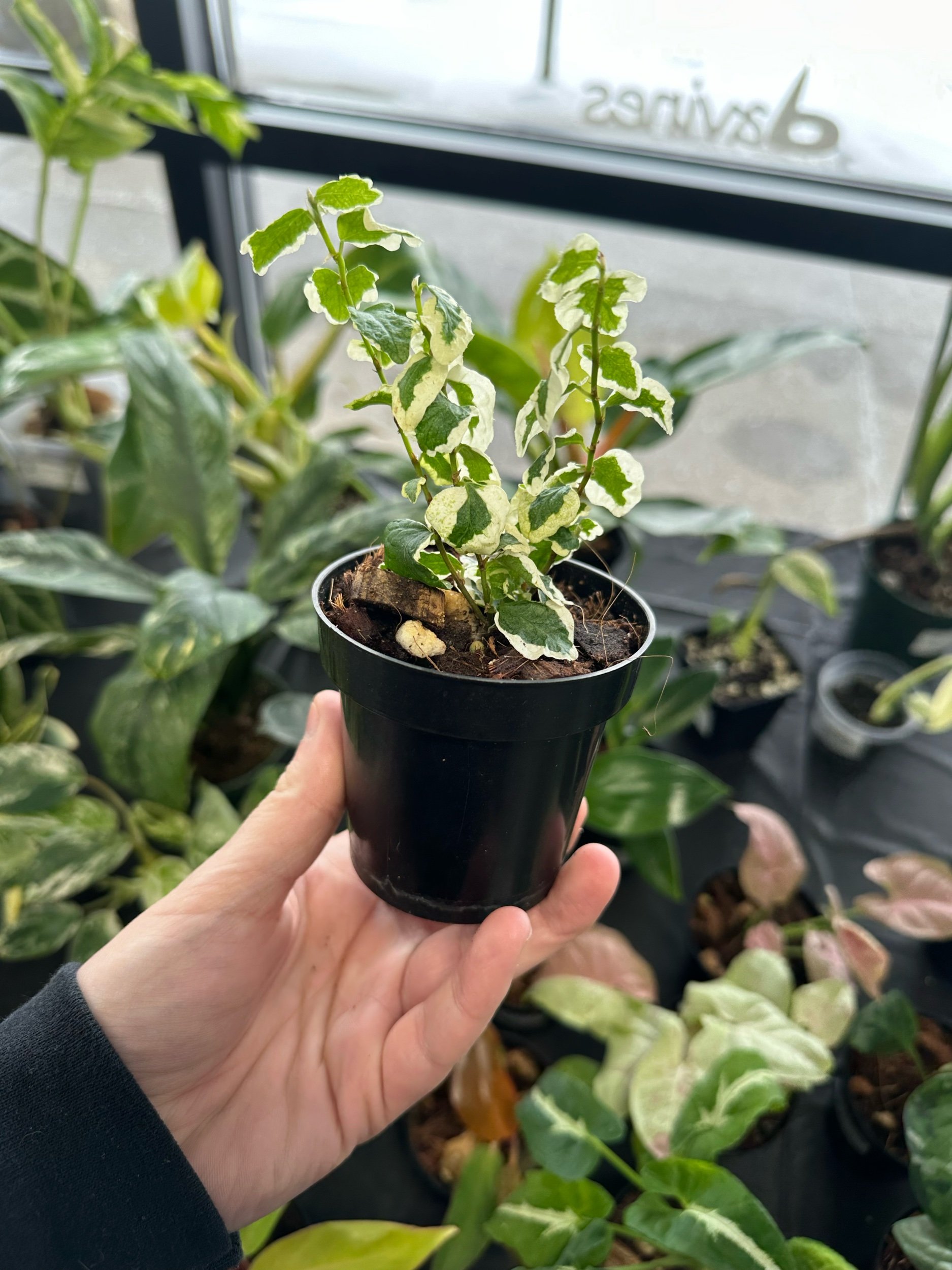
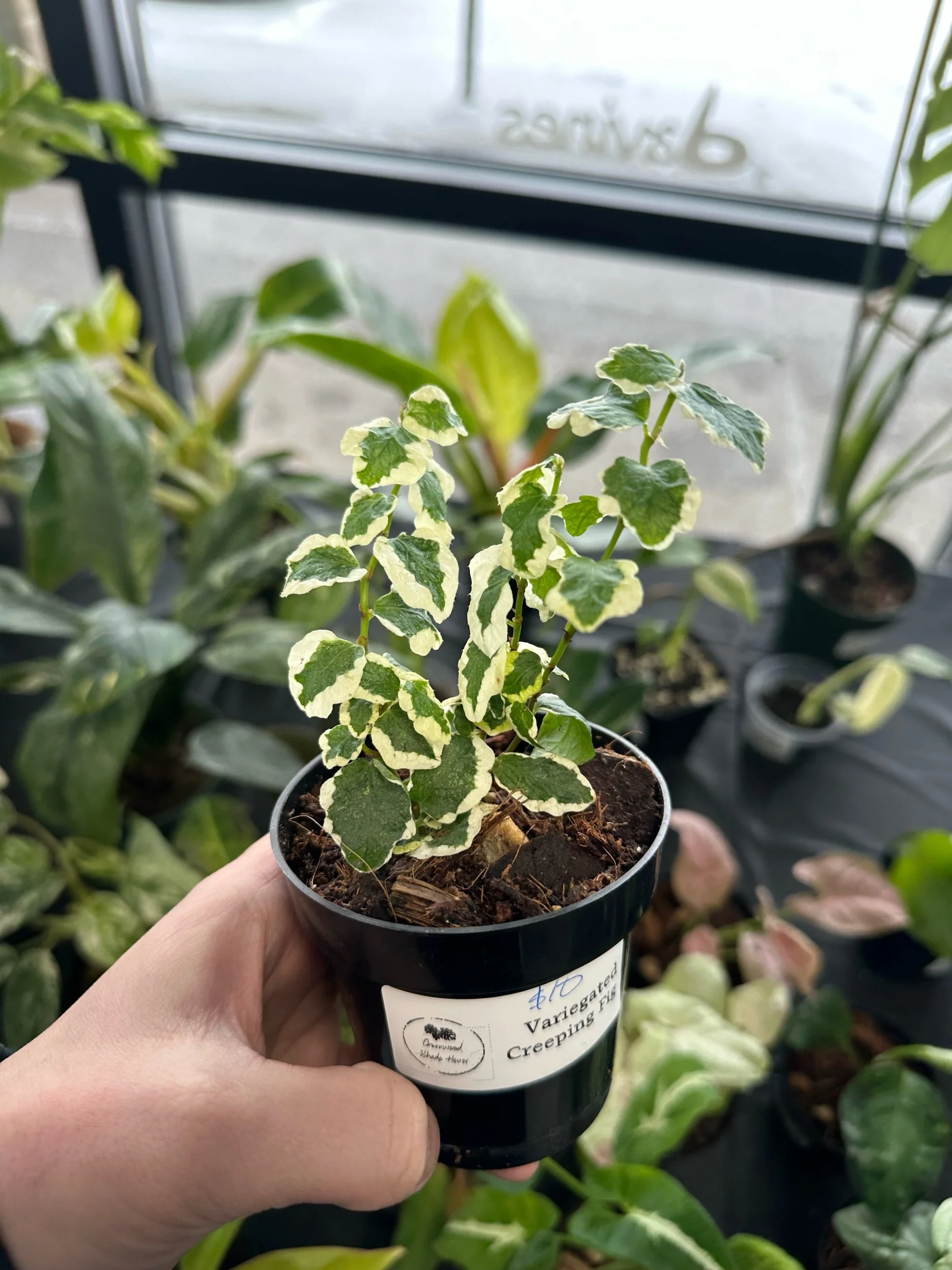
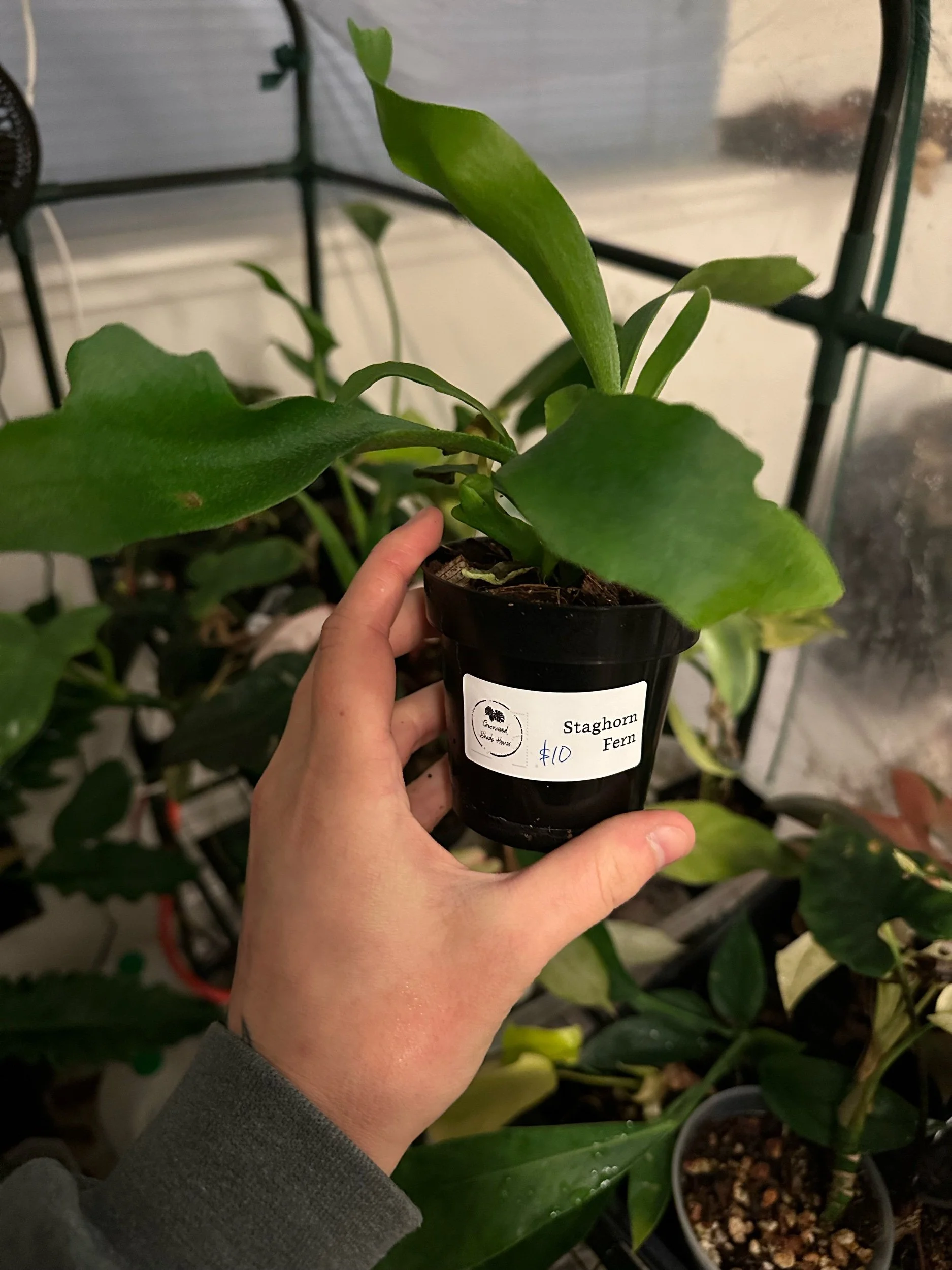 Image 2 of 2
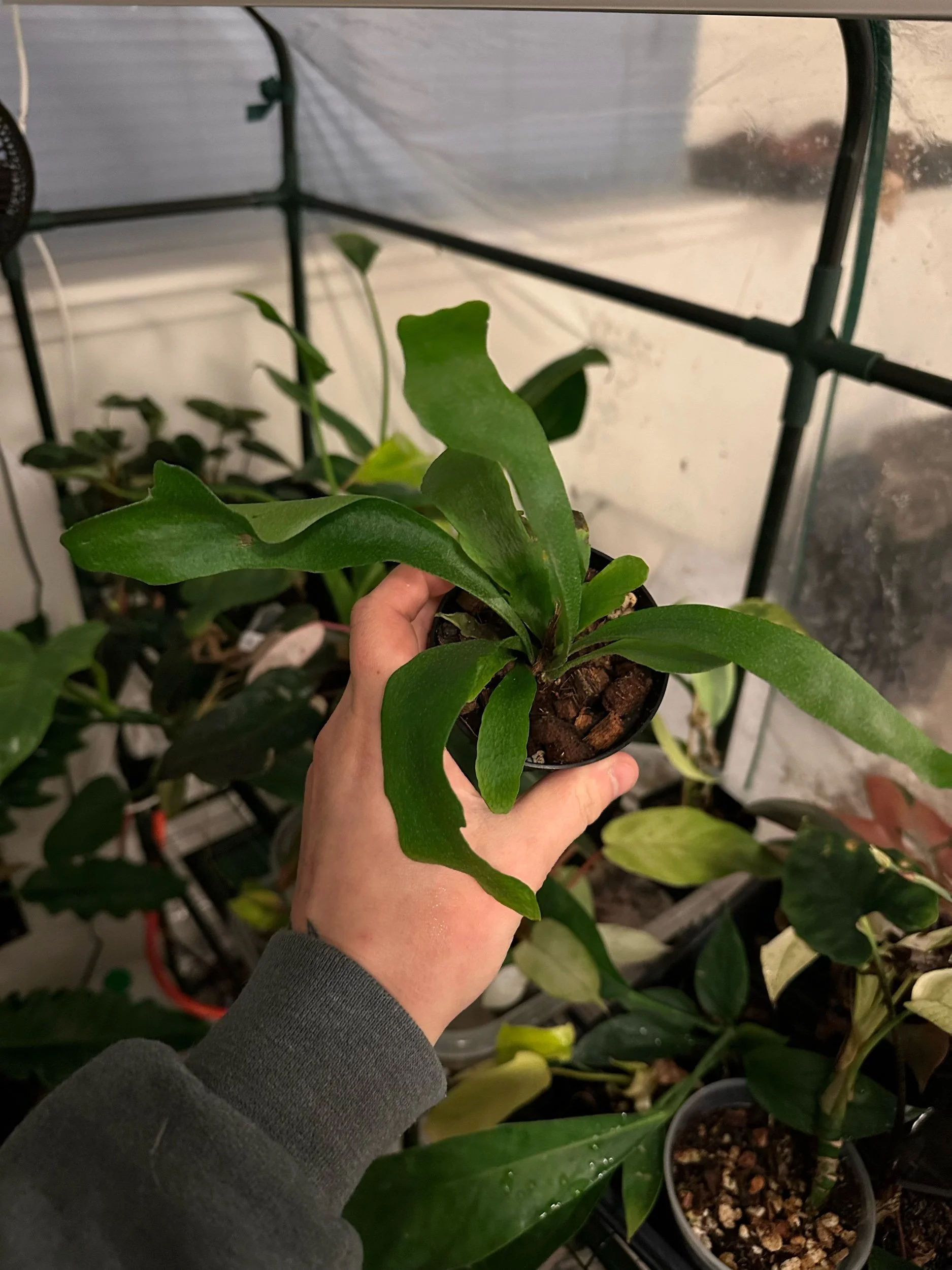
Staghorn Fern (Platycerium) Care
Overview
Common name: Staghorn fern
Type: Epiphytic fern (often mounted on wood or grown in hanging baskets)
Light: Bright, indirect light; morning sun or dappled shade
Temperature: 60–85°F (16–29°C); avoid prolonged temps below 50°F (10°C)
Humidity: Prefer high humidity (60%+ ideal)
Watering: Regular but allow partial drying between waterings; more frequent when mounted
Soil/substrate: Not typical potting mix — sphagnum moss, orchid bark, or mounted on boards with moss
Fertilizer: Balanced, diluted fertilizer during active growth
Lighting
Provide bright, indirect light. East- or north-facing windows work well.
Avoid harsh midday sun, which can scorch fronds.
In lower light, growth will slow and fronds may be smaller.
Temperature & Humidity
Keep between 60–85°F. Protect from drafts and sudden temperature drops.
High humidity encourages healthy fronds. Use a humidifier, pebble tray, or group with other plants.
In dry homes, misting helps but won’t replace higher ambient humidity.
Watering
Method depends on mounting:
Mounted: Soak the mount thoroughly 1–2 times weekly in warm water during active growth, less often in cooler months. Let drain thoroughly.
Basket/potted with moss: Water when outer moss begins to dry but inner core retains some moisture. Generally every 7–14 days depending on conditions.
Watering frequency varies with season, temperature, humidity, and light. Check weight of mount/pot or feel the moss.
Avoid waterlogging the root crown. Good drainage is important.
Brown, crispy tips indicate underwatering or low humidity; soft, mushy fronds or foul smell indicate overwatering/rot.
Mounting & Potting
Traditional mounting: Secure the root ball and some sphagnum moss to a piece of cork, wood, or plank with fishing line or wire. Ferns attach naturally over months.
Baskets: Use a wire basket lined with sphagnum moss or coconut coir to mimic natural epiphytic conditions.
Potting in regular soil is not recommended; they prefer airy, well-draining mediums.
Feeding
Feed during spring and summer every 4–6 weeks with a balanced houseplant fertilizer at half strength.
Alternatively, use a foliar feed or dilute fish emulsion to mimic rainforest nutrients.
Reduce feeding in fall and winter when growth slows.
Pruning & Grooming
Leave basal shield fronds (round, sterile fronds) intact — they protect the root ball and collect debris. Only remove if decayed or damaged.
Trim damaged or brown fronds at the base with clean scissors.
Gently clean dust from fronds by soft brushing or a light spray of water.
Propagation
Propagate by division when large enough: separate offsets or pups from the main plant, maintaining roots and shield fronds if possible.
New spores can be propagated but require sterile conditions and patience.
Pests & Problems
Common pests: scale, mealybugs, spider mites. Treat with insecticidal soap or horticultural oil; isolate infected plants.
Rot typically results from poor drainage or overly wet mounting. Improve airflow and reduce watering.
Yellowing fronds may indicate overwatering or nutrient deficiency; brown crispy fronds suggest underwatering or low humidity.
Seasonal Care
Growth peaks in warm months; increase watering and feeding accordingly.
In winter, reduce watering and fertilizer; keep plant away from cold drafts and heating vents.
Transporting & Shipping Tips
Keep mounted ferns secure and upright during transport.
Protect fronds from crushing and from temperature extremes.
Maintain humidity by keeping moss moist before shipping and using breathable packaging.
Quick Care Checklist
Light: Bright, indirect
Water: Soak/flush when slightly dry; don’t let stay soggy
Humidity: High
Temp: 60–85°F
Substrate: Sphagnum moss, bark, or mount
Fertilizer: Half-strength during growing season
Staghorn Fern (Platycerium) Care
Overview
Common name: Staghorn fern
Type: Epiphytic fern (often mounted on wood or grown in hanging baskets)
Light: Bright, indirect light; morning sun or dappled shade
Temperature: 60–85°F (16–29°C); avoid prolonged temps below 50°F (10°C)
Humidity: Prefer high humidity (60%+ ideal)
Watering: Regular but allow partial drying between waterings; more frequent when mounted
Soil/substrate: Not typical potting mix — sphagnum moss, orchid bark, or mounted on boards with moss
Fertilizer: Balanced, diluted fertilizer during active growth
Lighting
Provide bright, indirect light. East- or north-facing windows work well.
Avoid harsh midday sun, which can scorch fronds.
In lower light, growth will slow and fronds may be smaller.
Temperature & Humidity
Keep between 60–85°F. Protect from drafts and sudden temperature drops.
High humidity encourages healthy fronds. Use a humidifier, pebble tray, or group with other plants.
In dry homes, misting helps but won’t replace higher ambient humidity.
Watering
Method depends on mounting:
Mounted: Soak the mount thoroughly 1–2 times weekly in warm water during active growth, less often in cooler months. Let drain thoroughly.
Basket/potted with moss: Water when outer moss begins to dry but inner core retains some moisture. Generally every 7–14 days depending on conditions.
Watering frequency varies with season, temperature, humidity, and light. Check weight of mount/pot or feel the moss.
Avoid waterlogging the root crown. Good drainage is important.
Brown, crispy tips indicate underwatering or low humidity; soft, mushy fronds or foul smell indicate overwatering/rot.
Mounting & Potting
Traditional mounting: Secure the root ball and some sphagnum moss to a piece of cork, wood, or plank with fishing line or wire. Ferns attach naturally over months.
Baskets: Use a wire basket lined with sphagnum moss or coconut coir to mimic natural epiphytic conditions.
Potting in regular soil is not recommended; they prefer airy, well-draining mediums.
Feeding
Feed during spring and summer every 4–6 weeks with a balanced houseplant fertilizer at half strength.
Alternatively, use a foliar feed or dilute fish emulsion to mimic rainforest nutrients.
Reduce feeding in fall and winter when growth slows.
Pruning & Grooming
Leave basal shield fronds (round, sterile fronds) intact — they protect the root ball and collect debris. Only remove if decayed or damaged.
Trim damaged or brown fronds at the base with clean scissors.
Gently clean dust from fronds by soft brushing or a light spray of water.
Propagation
Propagate by division when large enough: separate offsets or pups from the main plant, maintaining roots and shield fronds if possible.
New spores can be propagated but require sterile conditions and patience.
Pests & Problems
Common pests: scale, mealybugs, spider mites. Treat with insecticidal soap or horticultural oil; isolate infected plants.
Rot typically results from poor drainage or overly wet mounting. Improve airflow and reduce watering.
Yellowing fronds may indicate overwatering or nutrient deficiency; brown crispy fronds suggest underwatering or low humidity.
Seasonal Care
Growth peaks in warm months; increase watering and feeding accordingly.
In winter, reduce watering and fertilizer; keep plant away from cold drafts and heating vents.
Transporting & Shipping Tips
Keep mounted ferns secure and upright during transport.
Protect fronds from crushing and from temperature extremes.
Maintain humidity by keeping moss moist before shipping and using breathable packaging.
Quick Care Checklist
Light: Bright, indirect
Water: Soak/flush when slightly dry; don’t let stay soggy
Humidity: High
Temp: 60–85°F
Substrate: Sphagnum moss, bark, or mount
Fertilizer: Half-strength during growing season