 Image 1 of 2
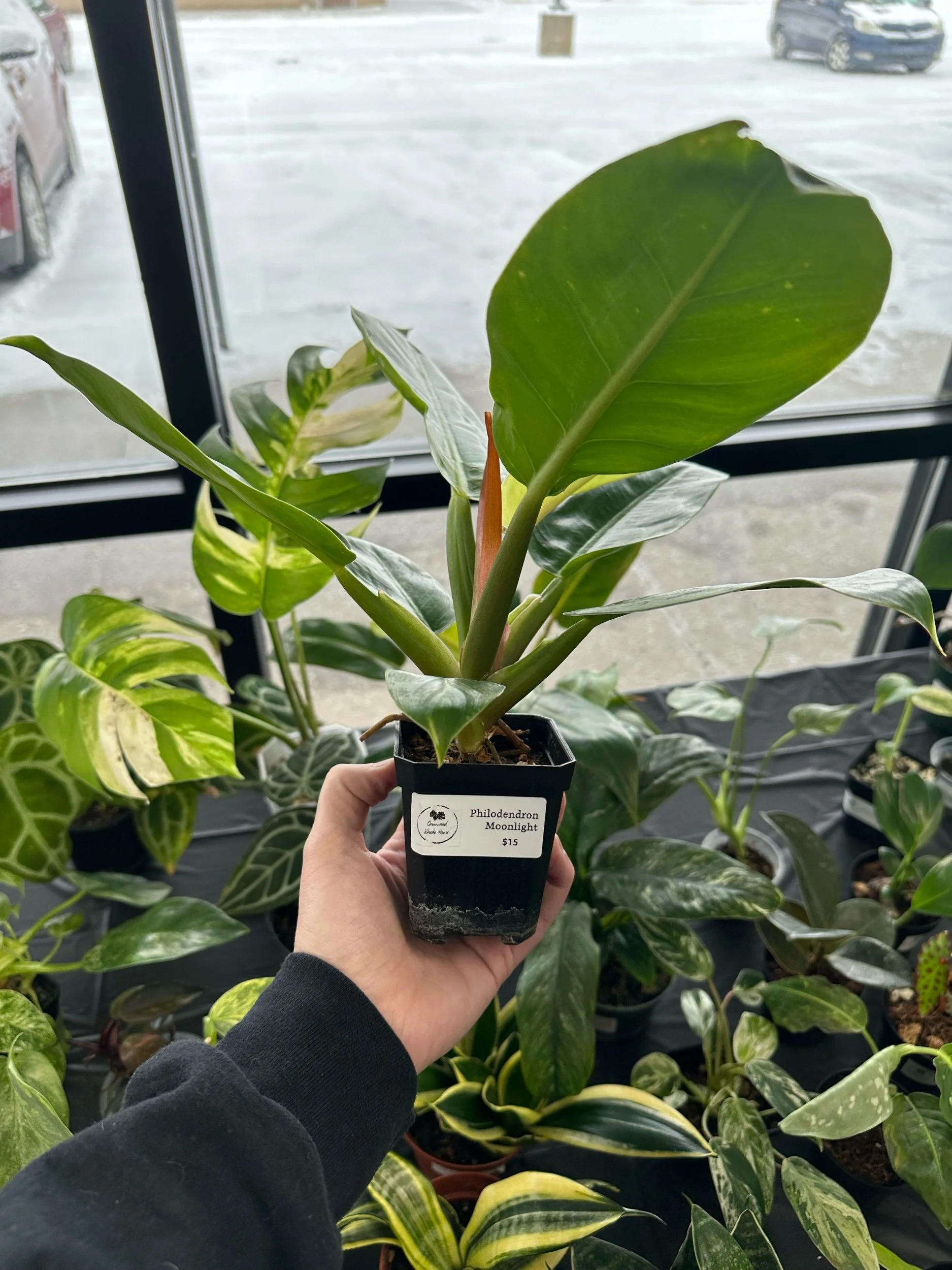 Image 2 of 2
Philodendron 'Moonlight'
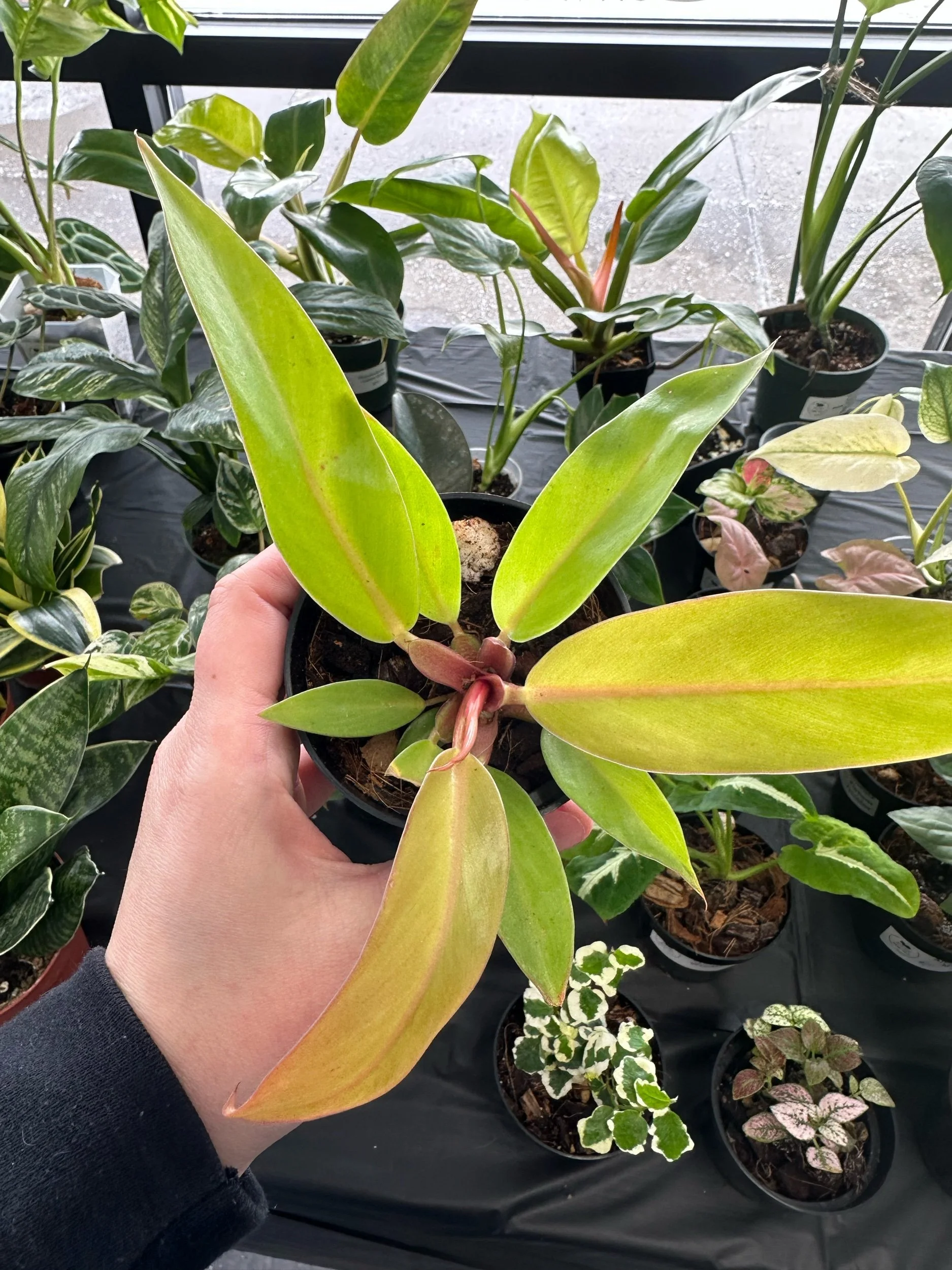
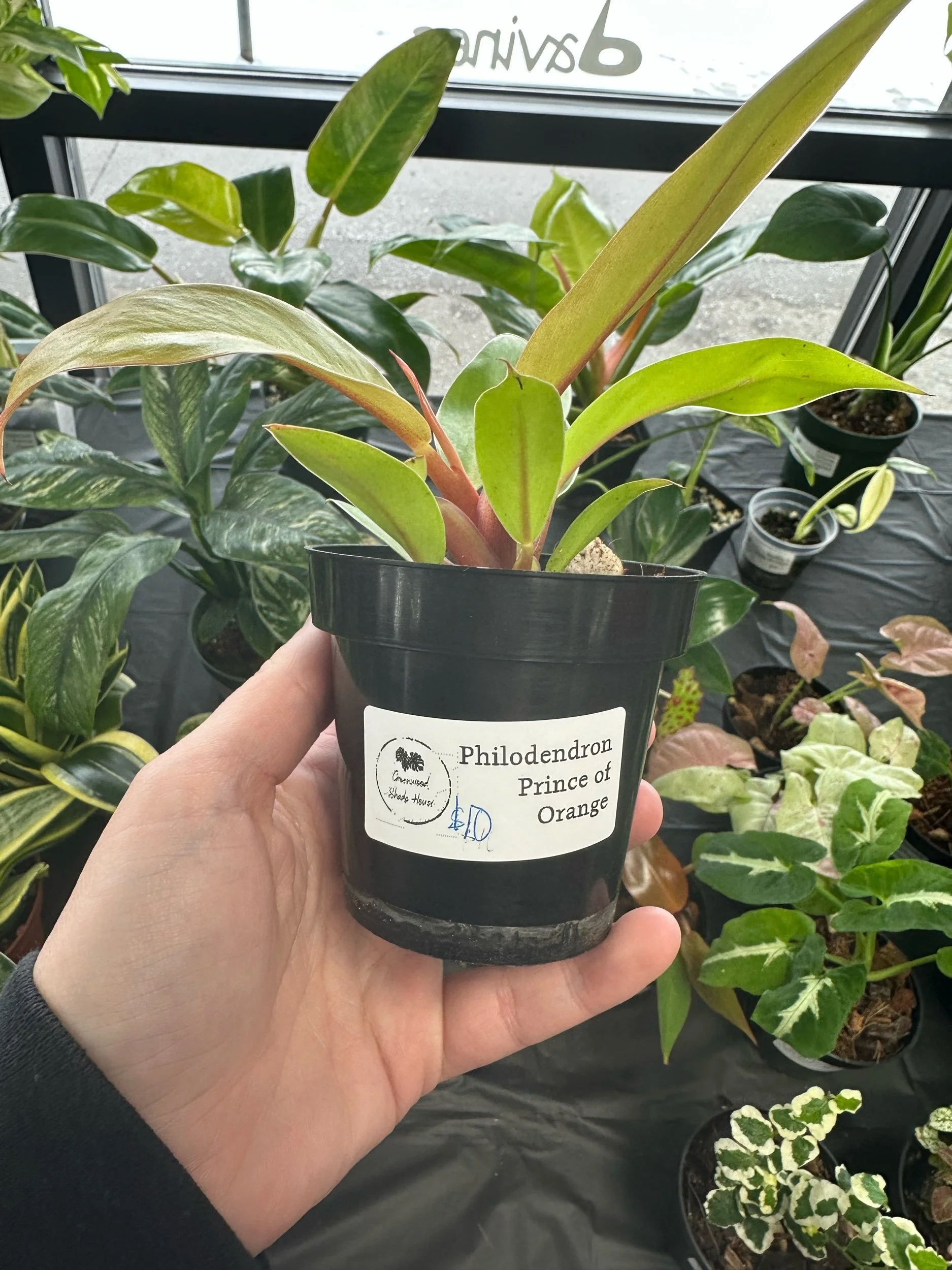
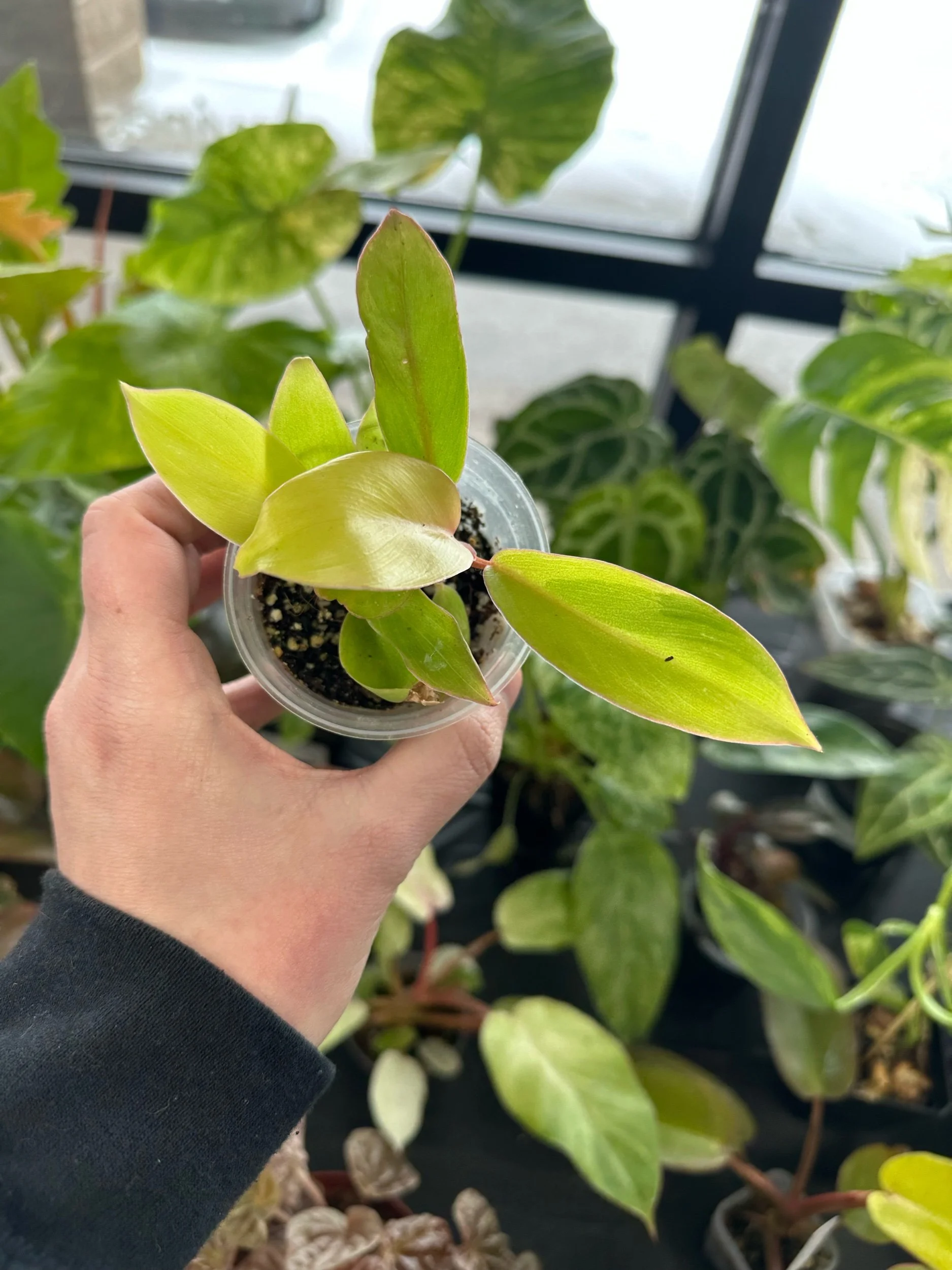
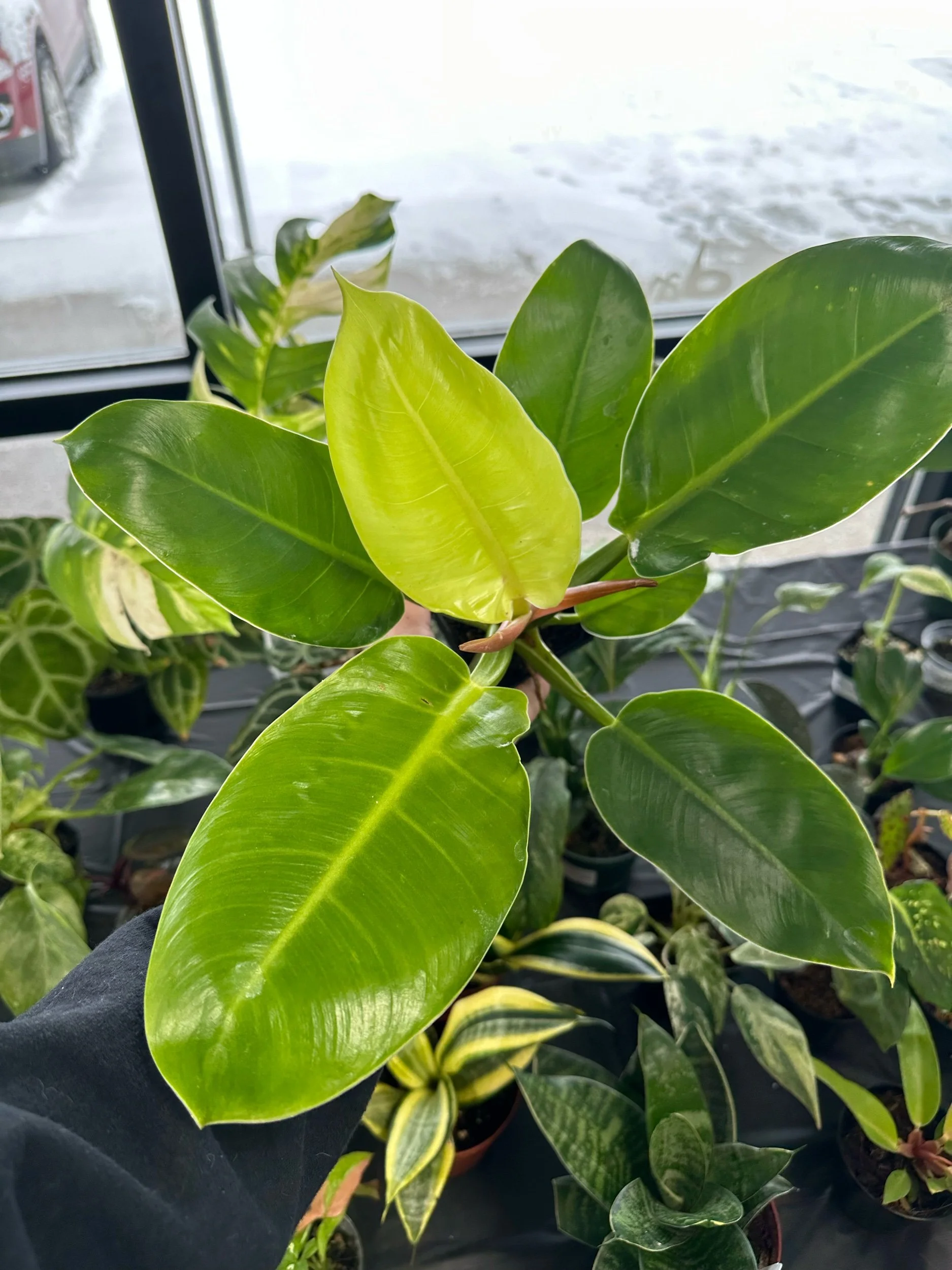
Overview Philodendron 'Moonlight' is a popular, eye-catching houseplant prized for its luminous, chartreuse to almost neon foliage. It’s a compact, clumping philodendron with narrow, lance-shaped leaves that emerge pale and brighten indoor spaces. Its striking color and manageable size make it excellent for tabletops, shelves, and small-planter displays.
Light
Bright, indirect light is ideal. 'Moonlight' performs best in strong, filtered light that enhances its leaf color.
Avoid direct afternoon sun, which can scorch the leaves. Too little light will cause the foliage to darken and lose its characteristic glow.
Water
Water when the top 1–2 inches of potting mix feel dry. Keep the soil evenly moist but not waterlogged.
Reduce watering in winter when growth slows. Overwatering can lead to root rot; under-watering will cause drooping and brown leaf tips.
Humidity and Temperature
Prefers moderate to high humidity (50%+). It tolerates average home humidity but will thrive with higher moisture in the air.
Ideal temperatures: 65–80°F (18–27°C). Avoid temperatures below 55°F (13°C) and cold drafts.
Soil and Potting
Use a well-draining, airy potting mix — a mix of peat or coco coir, perlite, and orchid bark works well.
A pot with drainage holes is essential to prevent standing water.
Repot every 1–2 years to refresh soil and provide space for the root cluster.
Fertilizer
Feed with a balanced, water-soluble houseplant fertilizer diluted to half strength every 4–6 weeks during the growing season (spring and summer).
Cut back feeding in fall and winter.
Pruning and Maintenance
Prune spent or damaged leaves to maintain appearance and encourage new growth.
Pinching back stems can promote bushier growth and prevent legginess.
Wipe leaves occasionally to remove dust and help the plant photosynthesize efficiently.
Propagation
Easily propagated by stem cuttings. Take a cutting with at least one node, place in water or directly into moist potting mix, and roots should form in a few weeks.
Keep cuttings warm and in bright, indirect light while rooting.
Pests and Problems
Watch for common pests: spider mites, mealybugs, and scale. Treat infestations early with insecticidal soap or by wiping leaves with rubbing alcohol.
Yellowing leaves can indicate overwatering; brown crisp tips often signal low humidity or underwatering.
Leaf burn from direct sun appears as bleached or brown patches.
Toxicity
Like many philodendrons, 'Moonlight' is toxic to pets and humans if ingested. Keep out of reach of children and animals.
Design and Styling Tips
Use 'Moonlight' as a bright focal point in a shady corner or among darker-leaved plants to create contrast.
Pair with plants that enjoy similar light and humidity, such as pothos, ferns, or Calathea species.
Its compact habit makes it suitable for decorative pots, plant stands, or grouping on shelves.
Why choose Philodendron 'Moonlight'?
Striking, luminous foliage that brightens indoor spaces.
Compact and easy to grow with basic care.
Great for both beginners and experienced plant enthusiasts seeking a dramatic, low-maintenance specimen.
Care Quick Reference
Light: Bright, indirect
Water: When top 1–2" of soil is dry
Humidity: Moderate to high
Temp: 65–80°F (18–27°C)
Soil: Well-draining, airy mix
Fertilizer: Balanced, half-strength, every 4–6 weeks (growing season)
Toxicity: Yes — keep away from pets and children
Greenwood Shade House note: If you’re looking for a luminous, low-footprint plant that packs visual punch, Philodendron 'Moonlight' is an excellent choice for indoor collections.
Philodendron 'Moonlight'
Overview Philodendron 'Moonlight' is a popular, eye-catching houseplant prized for its luminous, chartreuse to almost neon foliage. It’s a compact, clumping philodendron with narrow, lance-shaped leaves that emerge pale and brighten indoor spaces. Its striking color and manageable size make it excellent for tabletops, shelves, and small-planter displays.
Light
Bright, indirect light is ideal. 'Moonlight' performs best in strong, filtered light that enhances its leaf color.
Avoid direct afternoon sun, which can scorch the leaves. Too little light will cause the foliage to darken and lose its characteristic glow.
Water
Water when the top 1–2 inches of potting mix feel dry. Keep the soil evenly moist but not waterlogged.
Reduce watering in winter when growth slows. Overwatering can lead to root rot; under-watering will cause drooping and brown leaf tips.
Humidity and Temperature
Prefers moderate to high humidity (50%+). It tolerates average home humidity but will thrive with higher moisture in the air.
Ideal temperatures: 65–80°F (18–27°C). Avoid temperatures below 55°F (13°C) and cold drafts.
Soil and Potting
Use a well-draining, airy potting mix — a mix of peat or coco coir, perlite, and orchid bark works well.
A pot with drainage holes is essential to prevent standing water.
Repot every 1–2 years to refresh soil and provide space for the root cluster.
Fertilizer
Feed with a balanced, water-soluble houseplant fertilizer diluted to half strength every 4–6 weeks during the growing season (spring and summer).
Cut back feeding in fall and winter.
Pruning and Maintenance
Prune spent or damaged leaves to maintain appearance and encourage new growth.
Pinching back stems can promote bushier growth and prevent legginess.
Wipe leaves occasionally to remove dust and help the plant photosynthesize efficiently.
Propagation
Easily propagated by stem cuttings. Take a cutting with at least one node, place in water or directly into moist potting mix, and roots should form in a few weeks.
Keep cuttings warm and in bright, indirect light while rooting.
Pests and Problems
Watch for common pests: spider mites, mealybugs, and scale. Treat infestations early with insecticidal soap or by wiping leaves with rubbing alcohol.
Yellowing leaves can indicate overwatering; brown crisp tips often signal low humidity or underwatering.
Leaf burn from direct sun appears as bleached or brown patches.
Toxicity
Like many philodendrons, 'Moonlight' is toxic to pets and humans if ingested. Keep out of reach of children and animals.
Design and Styling Tips
Use 'Moonlight' as a bright focal point in a shady corner or among darker-leaved plants to create contrast.
Pair with plants that enjoy similar light and humidity, such as pothos, ferns, or Calathea species.
Its compact habit makes it suitable for decorative pots, plant stands, or grouping on shelves.
Why choose Philodendron 'Moonlight'?
Striking, luminous foliage that brightens indoor spaces.
Compact and easy to grow with basic care.
Great for both beginners and experienced plant enthusiasts seeking a dramatic, low-maintenance specimen.
Care Quick Reference
Light: Bright, indirect
Water: When top 1–2" of soil is dry
Humidity: Moderate to high
Temp: 65–80°F (18–27°C)
Soil: Well-draining, airy mix
Fertilizer: Balanced, half-strength, every 4–6 weeks (growing season)
Toxicity: Yes — keep away from pets and children
Greenwood Shade House note: If you’re looking for a luminous, low-footprint plant that packs visual punch, Philodendron 'Moonlight' is an excellent choice for indoor collections.